 Call us now:

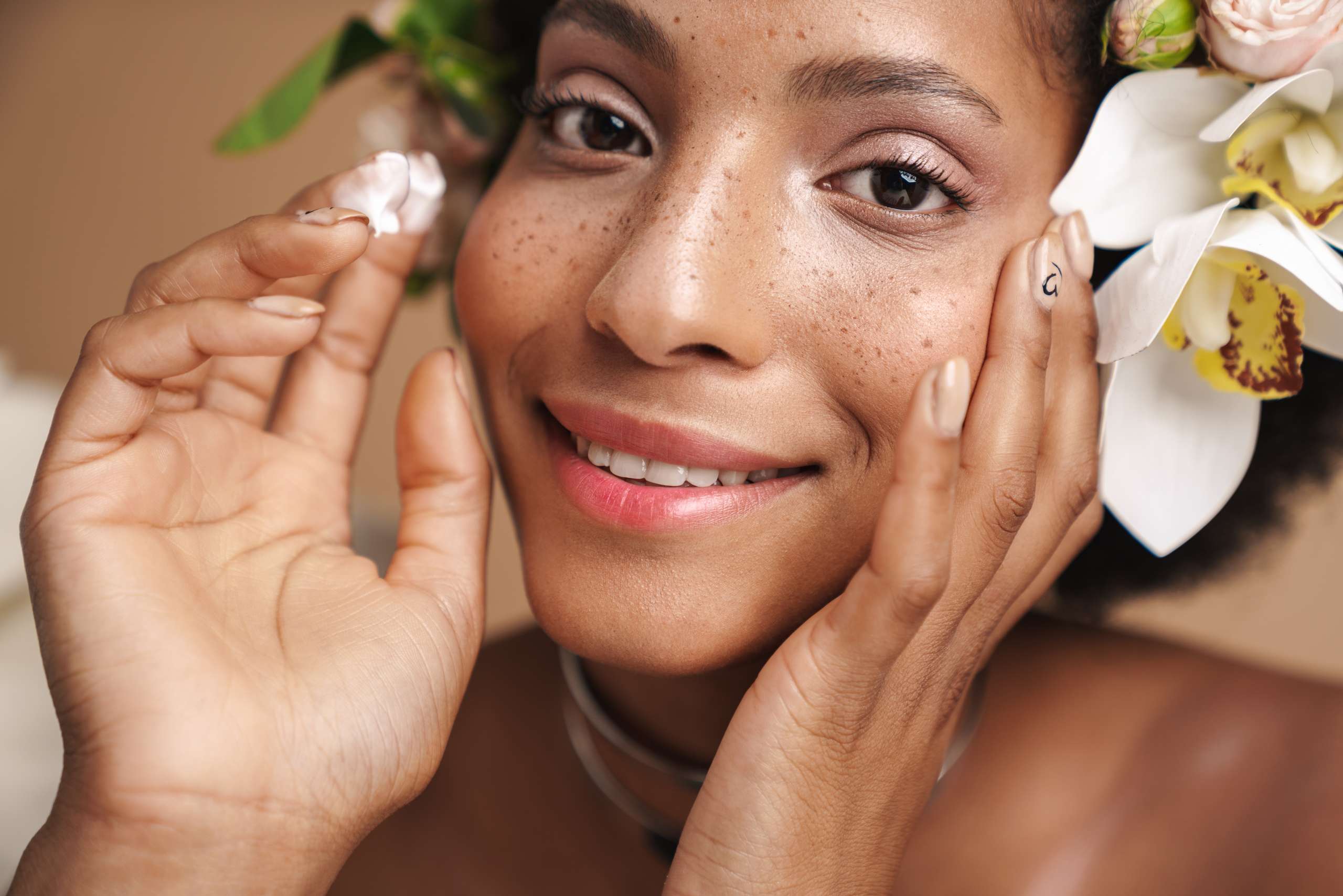
Uneven makeup often feels like a mystery, especially when the same products seem to behave differently on each side of the face. The issue is rarely about talent and more often about control. Small differences in pressure, product amount, and blending direction create visible imbalance. The good news is that these differences can be trained out through deliberate practice. Instead of starting over each time, slow down and observe what your hand is actually doing.
A helpful starting point is to treat each side of the face as a comparison exercise. Apply foundation to one side using your usual method, then switch to a lighter hand on the other. Notice how the finish changes. A common mistake is trying to fix unevenness by adding more product. This often makes the texture heavier and highlights the imbalance even more. The better correction is to remove excess gently, then rebuild with thinner layers, blending outward with controlled, repeated motions.
Blending direction also plays a major role. If one cheek looks patchy, it may be because the product was spread in too many directions without allowing it to settle. Try working in smaller sections, keeping your strokes consistent instead of moving randomly across the face. Spend ten minutes focusing only on one cheek, repeating the same motion until the surface looks smooth. Then move to the other side and match the technique as closely as possible. This kind of isolated repetition teaches your hand how much movement is actually needed.
Eyes and brows often reveal unevenness faster than the base because symmetry becomes more obvious. When shaping brows, step back between strokes rather than filling them continuously. If one brow becomes darker too quickly, pause and soften it before continuing. With eye makeup, practice applying shadow on one eye, then pause and look carefully before touching the second. Matching becomes easier when you treat the first side as a reference rather than rushing to complete both at the same time.
A simple daily practice can help correct these issues without taking much time. Spend about fifteen minutes choosing one area, such as blending around the nose or softening brow edges. Apply the product, then remove part of it and redo the same section again. This repetition helps you understand how little product is actually needed and how much pressure creates a clean finish. Over a few sessions, your hand starts to adjust automatically.
When makeup looks uneven, it is not a sign of failure. It is a signal that your technique needs refinement in small, specific ways. By isolating one area, controlling your movements, and comparing both sides carefully, you begin to replace guesswork with intention. With time, balance becomes something you can recreate, not something you hope for.